Why Export Furniture from Spain?
Exporting furniture from Spain combines
manufacturing expertise,
design versatility, and
proven international experience, making it a strategic choice for global projects. Spain has built a strong reputation as a European furniture production hub, particularly in regions such as Valencia, where factories specialize in residential, hospitality, and contract furniture. Many international buyers choose to work directly with
classic furniture manufacturers in Spain due to their ability to deliver consistent quality while offering a high level of customization.
Spanish furniture production stands out for its balance between
traditional craftsmanship and modern manufacturing processes. Skilled artisans work alongside advanced machinery to produce furniture that meets European quality standards while remaining adaptable to project-specific requirements. This flexibility allows buyers to customize
dimensions, finishes, materials, and upholstery according to destination markets and client preferences. In addition, Spain’s geographic location and established export infrastructure facilitate
efficient logistics and worldwide delivery. For international clients seeking reliable production, customization capabilities, and experienced export partners, sourcing furniture from Spain offers both practical and strategic advantages.
Spain as a Furniture Manufacturing and Export Hub
Spain has established itself as a reliable furniture manufacturing and export hub thanks to a combination of industrial know-how, skilled labor, and long-standing export experience. Over the years, Spanish manufacturers have developed strong capabilities in producing furniture for both domestic and international markets, adapting their processes to meet diverse technical and aesthetic requirements. This includes working with a wide range of materials such as solid wood, veneers, metals, upholstery, and decorative finishes.
One of Spain’s key strengths lies in its ability to handle project-based production, supplying consistent quality across large orders while maintaining attention to detail. Manufacturers are accustomed to coordinating with architects, designers, and international buyers, ensuring that specifications, timelines, and export standards are met. Supported by modern facilities and an export-oriented mindset, Spain continues to play a strategic role in the global furniture supply chain.
Furniture Packaging Standards for International Export
Furniture packaging plays a critical role in ensuring that products arrive at their destination in perfect condition, especially when shipping internationally. Exporting furniture from Spain requires compliance with international packaging standards designed to protect goods during long-distance transport, multiple handling stages, and varying climate conditions. Proper packaging is not only about protection but also about meeting logistical and regulatory requirements for different markets.
Spanish manufacturers and exporters typically apply export-grade packaging solutions tailored to the shipping method and destination country. This includes reinforced materials to withstand stacking and vibration, as well as protective systems that prevent surface damage, deformation, or moisture exposure. Packaging specifications often vary depending on whether furniture is shipped via sea freight, road transport, or multimodal logistics.
Well-planned packaging also improves efficiency throughout the supply chain. It facilitates safer loading, reduces the risk of damage during customs inspections, and simplifies unloading at the final destination. For international buyers, proper furniture packaging is a key factor in minimizing risk, controlling costs, and ensuring smooth project execution.
Export-Grade Furniture Packaging Solutions
Export-grade furniture packaging solutions are designed to address the specific challenges of international shipping, where furniture is exposed to repeated handling, long transit times, and changing environmental conditions. Unlike standard domestic packaging, export packaging focuses on maximum structural protection, ensuring that furniture components remain stable and undamaged from origin to final destination.
Spanish exporters typically assess packaging requirements based on factors such as product fragility, materials used, shipment volume, and transport method. High-quality packaging solutions often combine multiple layers of protection, including rigid external structures and internal cushioning systems. This approach helps prevent movement inside the packaging, reducing the risk of scratches, pressure marks, or structural stress.
In addition to physical protection, export-grade packaging also considers logistical efficiency and compliance. Well-designed packaging simplifies container loading, supports safer handling during inspections, and aligns with international transport regulations. For international projects, these packaging solutions are essential to maintaining product quality and avoiding costly damage or delays.
Wooden Crates, Palletization and Protective Materials
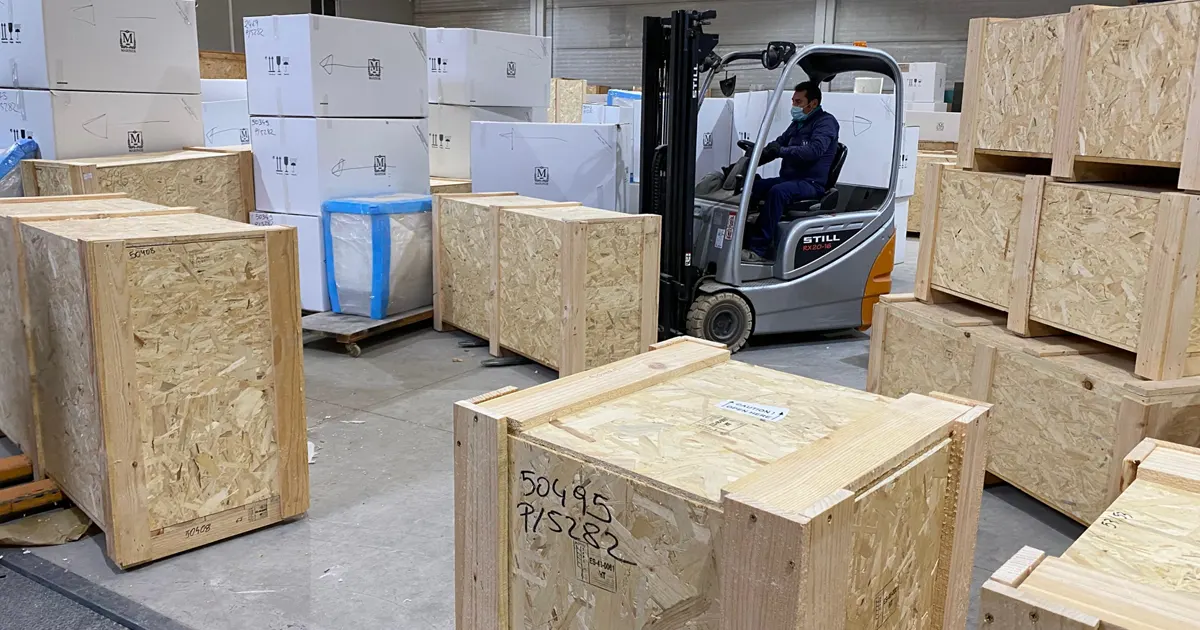
When exporting furniture internationally, especially via sea freight, robust protection systems are essential to prevent damage during handling, stacking, and long transit times. Wooden crates, palletization, and protective materials form the backbone of export-grade furniture packaging, providing structural stability and safeguarding finishes and components throughout the shipping process.
Spanish exporters select these solutions based on product type, fragility, destination, and transport method. High-value or delicate furniture pieces often require reinforced external protection, while palletized systems are used to improve handling efficiency and reduce movement during loading and unloading. In addition, internal protective materials play a crucial role in preserving surfaces, joints, and decorative details. Together, these elements ensure that furniture arrives in optimal condition, minimizing risk and supporting smooth international delivery.
Common export packaging solutions include:
Furniture Export Logistics from Spain
Furniture export logistics from Spain involve a coordinated process that connects manufacturers, warehouses, transport operators, and international shipping routes. Efficient logistics planning is essential to ensure that furniture moves safely from the factory to its final destination while respecting delivery schedules, packaging requirements, and export regulations. Spain benefits from a well-developed logistics infrastructure, including ports, road networks, and consolidation hubs that support international furniture shipments.
Spanish exporters typically manage logistics through a structured approach that covers factory collection, storage, consolidation, and shipment planning. This allows multiple suppliers or product categories to be combined into a single shipment, reducing costs and simplifying international transport. Careful coordination also minimizes handling risks and ensures that packaging remains intact throughout the process.
In addition, furniture export logistics from Spain are designed to adapt to different project scales and destinations. Whether supplying a full container for a large contract project or organizing groupage for smaller orders, professional logistics management helps international buyers maintain control, reduce risk, and achieve reliable worldwide delivery.
Factory Collection and Warehouse Consolidation
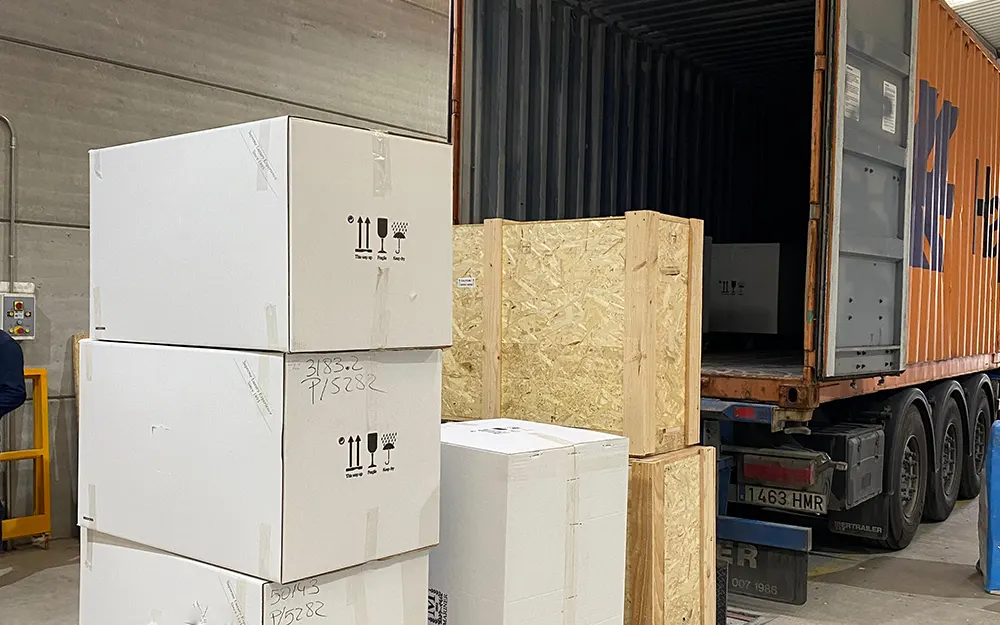
Factory collection and warehouse consolidation are key stages in the furniture export logistics process, especially when sourcing from multiple manufacturers in Spain. Once production is completed, furniture is collected directly from factories and transported to a designated consolidation warehouse. This step allows exporters to centralize goods, verify quantities, and ensure that packaging meets export standards before shipment.
Warehouse consolidation plays an important role in improving logistical efficiency and cost control. By combining furniture from different suppliers into a single shipment, exporters can optimize container space, reduce transport costs, and simplify export documentation. It also provides an opportunity to perform final checks, including packaging reinforcement, labeling, and pallet alignment.
For international buyers, this process offers greater control and visibility over the shipment. Consolidation helps minimize handling risks, avoid delays at port, and ensure that furniture is shipped in an organized and coordinated manner, supporting smoother delivery at destination.
Full Container Load (FCL) vs Groupage (LCL) Shipping
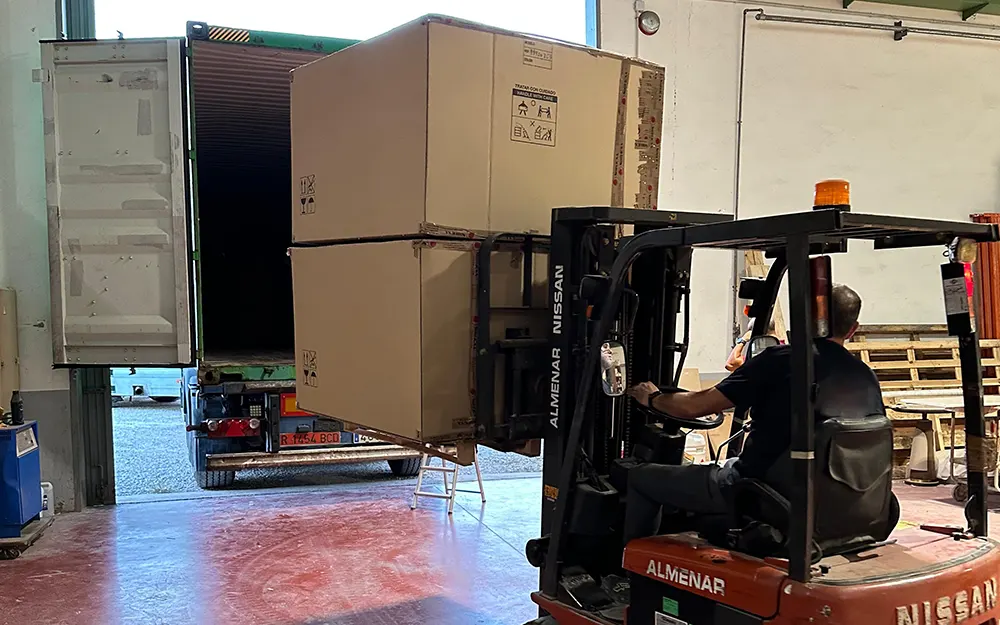
Choosing between Full Container Load (FCL) and groupage (LCL) shipping depends on the volume of furniture, project timelines, and destination requirements. FCL shipping is typically used for large orders or contract projects, where a full container is dedicated to a single client. This option offers better control, reduced handling, and lower risk of damage, making it ideal for hotel, villa, and commercial furniture projects.
LCL shipping, also known as groupage, is suitable for smaller orders that do not require a full container. In this case, furniture is consolidated with other shipments inside the same container. While LCL can be cost-effective for limited volumes, it involves additional handling during consolidation and deconsolidation, which requires stronger packaging standards.
Spanish exporters evaluate both options carefully to match the shipping method with the project’s size, budget, and delivery schedule. Selecting the appropriate solution helps optimize costs while ensuring furniture arrives safely and on time.
Worldwide Furniture Delivery Options
Worldwide furniture delivery requires careful planning to ensure that products arrive safely, on time, and in line with project schedules. When exporting furniture from Spain, delivery options are selected based on destination, shipment volume, and the specific requirements of each international project. Spain’s established logistics network allows exporters to organize reliable deliveries to Europe, the Middle East, Africa, the Americas, and other global markets.
Furniture shipments are typically coordinated using sea freight, road transport, or multimodal solutions, depending on distance and urgency. Export-ready furniture is prepared to withstand long transit times, port handling, and customs procedures at destination. This structured approach ensures consistency and reduces the risk of delays or damage during international transport.
Many international buyers sourcing both furniture and lighting benefit from centralized logistics solutions that combine multiple product categories into a single shipment. In this context, working with suppliers of
classic lighting made in Spain alongside furniture manufacturers helps streamline worldwide delivery and simplify coordination. A well-planned delivery strategy ultimately provides greater control, cost efficiency, and peace of mind for international clients.
Sea Freight for International Furniture Export
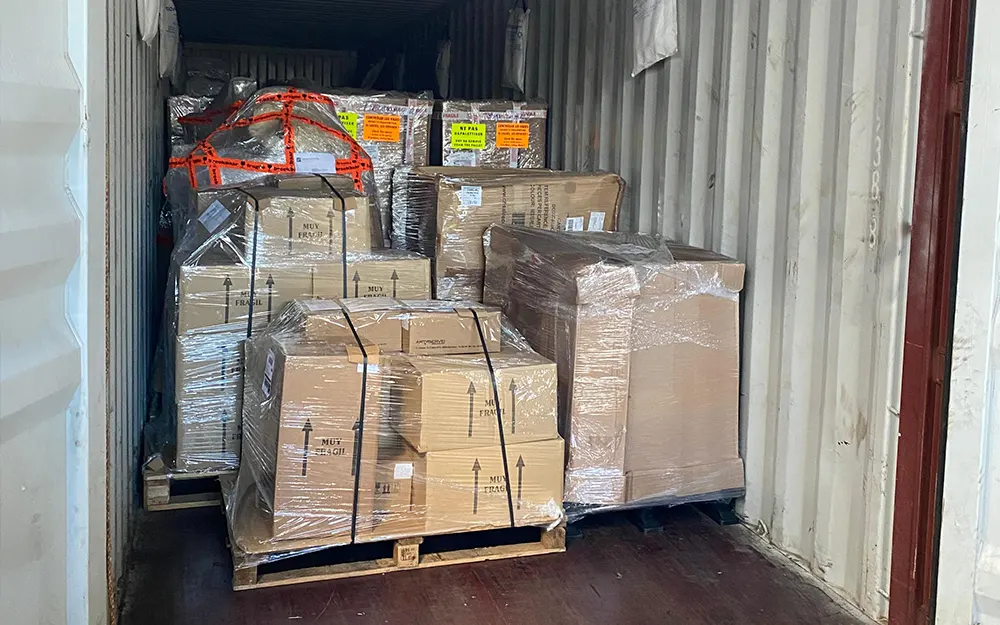
Sea freight is the most widely used solution for international furniture export due to its cost efficiency and capacity to handle large volumes. For long-distance destinations, especially outside Europe, sea transport provides a reliable way to ship furniture in full containers or groupage shipments while maintaining control over delivery schedules. Spanish ports play a key role in supporting global furniture exports, offering regular routes to major international markets.
Furniture shipped by sea must be prepared to withstand extended transit times, container stacking, and exposure to humidity. For this reason, exporters apply export-grade packaging and moisture protection systems to preserve product quality throughout the journey. Sea freight also allows for flexible planning, making it suitable for both large contract projects and consolidated shipments.
For international buyers, sea freight offers a balance between cost control and logistical reliability, making it the preferred option for worldwide furniture delivery from Spain.
Road and Multimodal Transport Solutions
Road transport and multimodal solutions play an important role in furniture export from Spain, particularly for European destinations and complex international projects. Road transport offers flexibility and shorter transit times for deliveries within Europe, making it a practical option for time-sensitive shipments or partial loads. It also allows for direct door-to-door delivery, reducing handling stages and associated risks.
Multimodal transport combines road, sea, and sometimes rail logistics to reach destinations that require more complex routing. This approach is commonly used for international projects where furniture must travel long distances inland after arriving at port. By integrating different transport modes, exporters can optimize routes, manage costs, and adapt to local infrastructure conditions.
Spanish exporters carefully plan these transport solutions to align with project timelines and destination requirements. When managed professionally, road and multimodal logistics provide reliable delivery options that support efficient and coordinated worldwide furniture distribution.
Furniture Export for Hotels, Villas and Commercial Projects
Furniture export for hotels, villas, and commercial projects requires a structured and coordinated approach that goes beyond standard residential supply. These projects often involve larger volumes, strict timelines, and consistent quality across multiple furniture categories. Spain has extensive experience supplying furniture for hospitality and contract environments, making it a reliable sourcing destination for international developers, hotel operators, and project managers.
Spanish manufacturers are accustomed to working with project-based specifications, ensuring uniform finishes, materials, and dimensions across entire installations. This level of consistency is essential for hotels and villas, where furniture must meet both aesthetic standards and durability requirements. In addition, commercial projects often demand compliance with specific regulations related to safety, fire resistance, and usage intensity.
Exporting furniture for these types of projects also requires careful logistics planning, packaging coordination, and delivery scheduling to align with construction and installation phases. By sourcing furniture from Spain, international clients benefit from experienced manufacturers capable of supporting complex projects from production through to worldwide delivery.
Supplying Furniture for Hospitality and Contract Projects
Supplying furniture for hospitality and contract projects requires a deep understanding of operational needs, durability standards, and design consistency. Unlike residential furniture, hospitality furniture must withstand intensive daily use while maintaining its aesthetic appeal over time. Spanish manufacturers have extensive experience producing furniture for hotels, resorts, serviced apartments, offices, and commercial spaces, adapting designs to meet both functional and visual requirements.
A key advantage of working with Spanish suppliers is their ability to manage large-scale, repeatable production without compromising on quality. Furniture is manufactured following detailed specifications, ensuring consistency across rooms, floors, or entire properties. In addition, suppliers are familiar with international contract requirements, including fire regulations, material certifications, and project timelines.
This experience allows international clients to source furniture solutions that are reliable, compliant, and aligned with the long-term demands of hospitality and commercial environments.
How We Manage Furniture Export from Spain
Managing furniture export from Spain requires coordination, experience, and attention to detail at every stage of the process. Our role is to act as a central point of control, connecting manufacturers, logistics providers, and international clients to ensure that each project runs smoothly from production to delivery. We focus on planning, supervision, and coordination to reduce risk and maintain consistency throughout the export process.
We begin by understanding the specific requirements of each project, including product specifications, timelines, destination regulations, and packaging needs. From there, we coordinate with selected Spanish manufacturers to align production schedules and quality standards. Prior to shipment, we oversee packaging and logistics planning to ensure furniture is export-ready and properly prepared for international transport.
Throughout the process, clear communication and proactive problem-solving are essential. By managing furniture export in a structured and transparent way, we help international clients gain control, minimize delays, and receive furniture that meets both technical and aesthetic expectations.
Supplier Coordination, Quality Control and Export Planning
Effective supplier coordination, quality control, and export planning are essential to ensuring successful furniture export projects. Working with multiple manufacturers requires precise communication and alignment to maintain consistency in materials, finishes, and production timelines. We coordinate directly with suppliers to confirm specifications, monitor progress, and ensure that every component meets the agreed standards before shipment.
Quality control is integrated throughout the process, focusing on product conformity, packaging integrity, and export readiness. This includes verifying finishes, dimensions, and protective measures prior to logistics handling. Any potential issues are identified early to avoid delays or costly corrections later in the supply chain.
Export planning brings all elements together, from scheduling factory collections to selecting the most suitable transport solution. By managing these stages proactively, we help international clients reduce risk, maintain control, and achieve reliable delivery outcomes for their furniture projects.
Furniture Export from Spain – FAQs